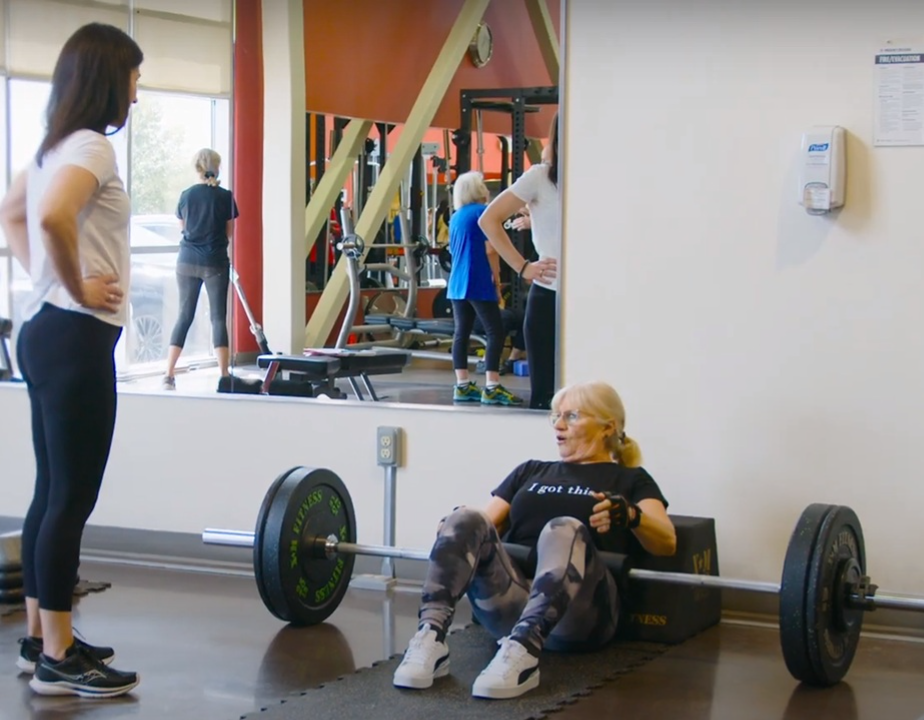
Bones Lab Brief: Blog
Where we share ideas, opinions, and new research on bone health and exercise.
Bones Lab Brief is a research‑informed blog and newsletter created to help translate bone health studies into understandable insights. Posts may include research summaries, explanations of key concepts, and reflections on what the evidence tells us—always with the aim of clarity, transparency, and balance.
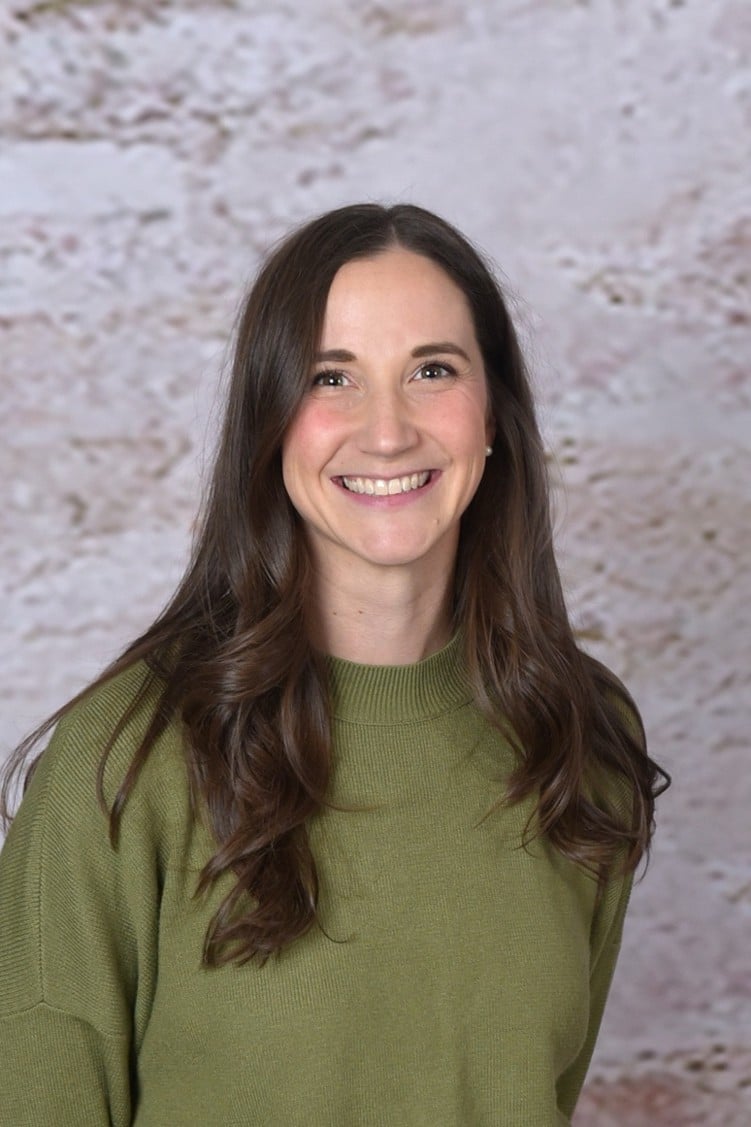
People: Meet Allison Legg, PhD student
Introducing Allison Legg, a chiropractor and PhD student in the Bone health and Exercise Science lan (BonES lab). She is doing research to advance management of osteoporosis in chiropractic practice.
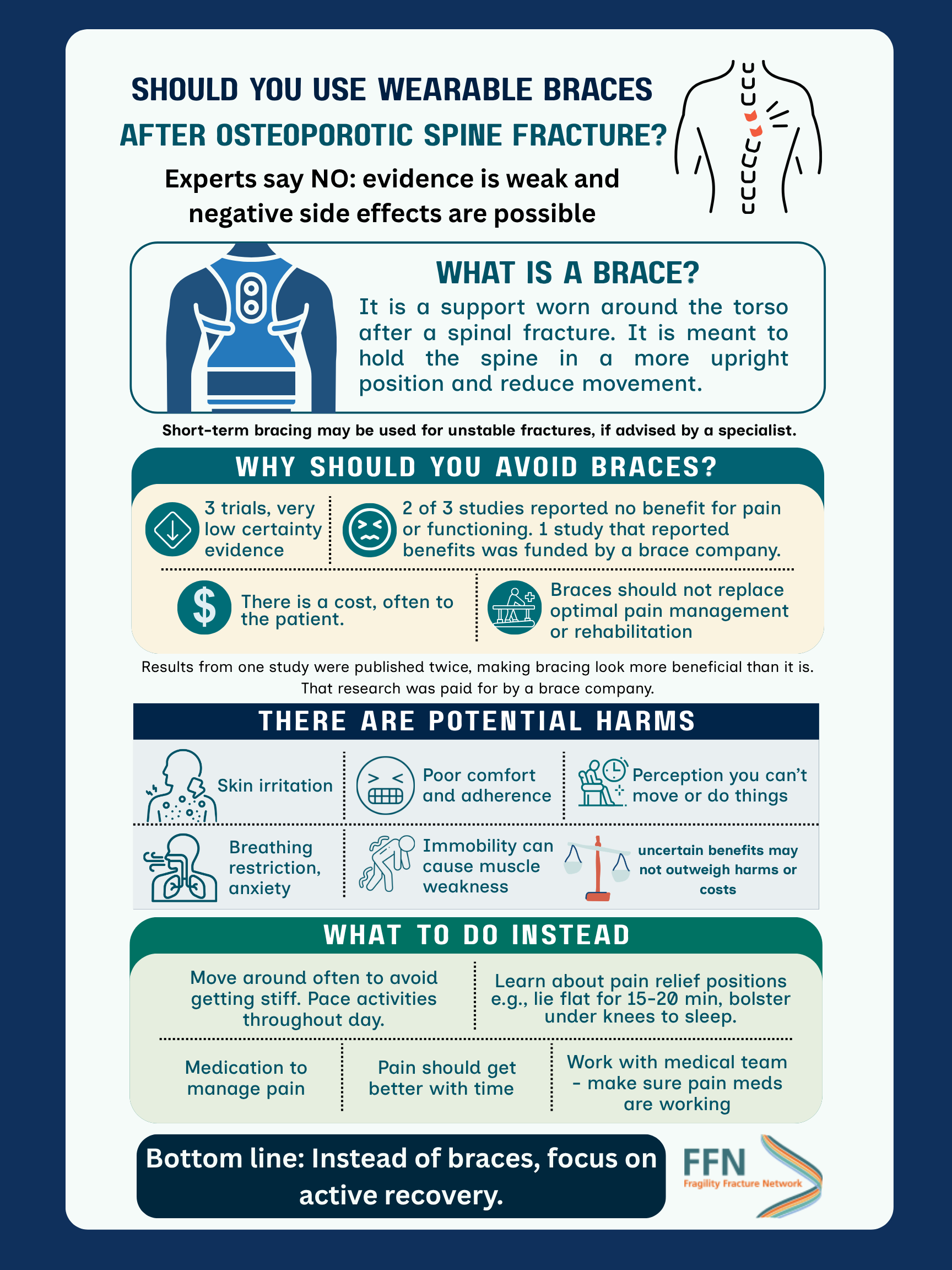
Do You Need a Back Brace After an Osteoporotic Spine Fracture? What the Latest Evidence Says
Many people with osteoporosis are told to wear a brace after a spine fracture, but does the evidence support it? Research and international expert recommendations suggest that routine bracing may provide little benefit for most people and can have drawbacks. Learn why active recovery, pain management, movement, and rehabilitation are now considered the cornerstones of vertebral fracture care.
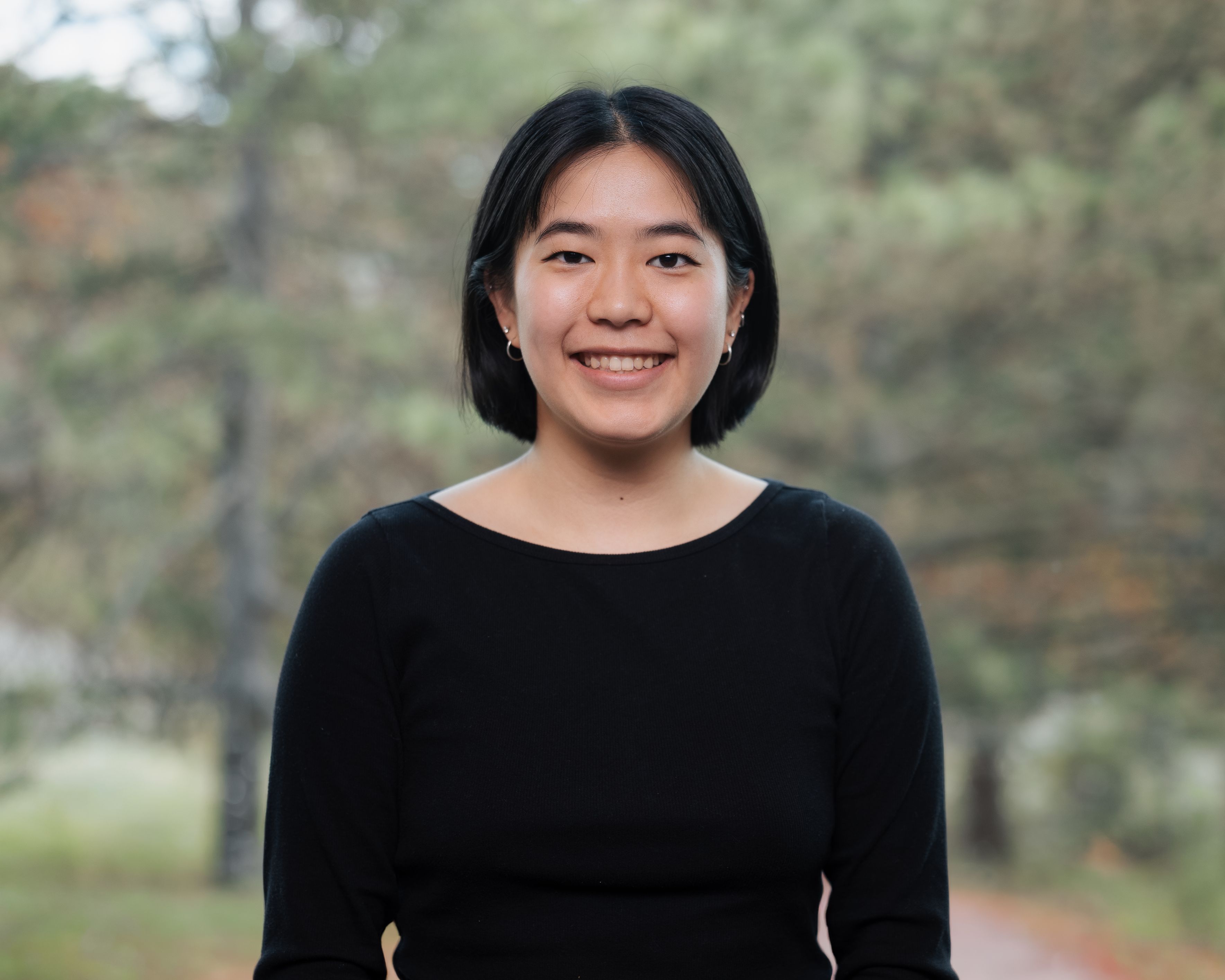
People: Meet Sabrina Cao, PhD student
Meet Sabrina, a Bones Lab PhD student researching bone health, cancer rehabilitation, fall prevention, and evidence-based exercise at the University of Waterloo. Passionate about exercise, rehabilitation, and bone health, Sabrina's research focuses on preventing falls and fractures in people with cancer through education and evidence-based exercise. Learn about her academic journey, research goals, leadership achievements, and commitment to improving healthcare through science and knowledge translation.
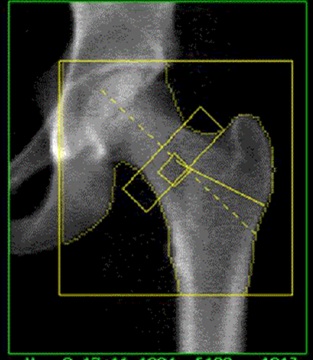
Exercise + osteoporosis medication: do they work together or against each other?
Find out if exercise can boost bone mineral density while on osteoporosis drugs and why strength and balance training still matter.

Osteostrong and bone health: What the research says
OsteoStrong promises stronger bones in just 10 minutes a week—but what does the science really say? New research shows: Lack of strong evidence supporting effects on bone mineral density Questions about how some studies were done 👉 If you’re over 50 and care about your bone health, read this simple breakdown of what’s known—and what’s still uncertain.

What activities cause most fractures?
Think most fractures in people over 50 happen during unusual accidents? Most don’t. 👉 The majority happen during everyday activities around the home. 👉 And the #1 cause? Falls. ✅ Many of these fractures are preventable ✅ Small changes in how we move + reduce fall risk can make a big difference ⚠️ Like all research, this study has limitations. But this message is clear: fall prevention matters.
Subscribe to the Bones Lab Brief Newsletter
Thank you for subscribing!
After signing up, you’ll receive a short confirmation email.
Please click the link to complete your subscription.
Have a great day!
Follow us on socials!



Educational Use Only
The information on this website is provided for educational and research purposes only and is not intended as medical or health advice. Content should not be used to diagnose, treat, or prevent any medical condition. Always seek the advice of a qualified healthcare professional regarding any health‑related questions or before beginning any exercise or health program.