Exercise + osteoporosis medication: do they work together or against each other?
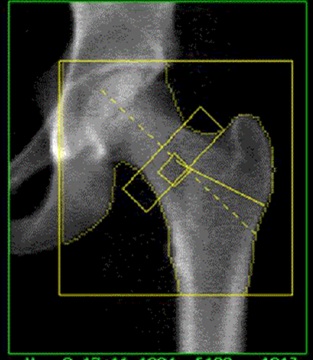
If you’re taking medication for osteoporosis, you’ve probably asked yourself:
“Is exercise still helping my bones — or is the medication doing all the work?”
It’s an important question. And the honest answer is: we don’t fully know yet. But here’s what the science does tell us. (Want this blog in a brief animated video format? Click here!)
Why This Question Is So Difficult to Answer
Understanding how exercise and osteoporosis medication interact isn’t straightforward. There are three key reasons why:
1. Medication Already Improves Bone Mineral Density
Osteoporosis medications are proven to increase bone mineral density (BMD) and reduce fracture risk.
So if you’re exercising and taking medication, it’s difficult to separate:
- How much improvement comes from the drug
- How much comes from exercise
- Whether the combination provides added benefit
2. Different Medications Affect Bone in Different Ways
Not all osteoporosis medications work the same way. The effects of each type of medication on bone remodeling can influence how your body responds to exercise.
For example:
- Bisphosphonates and denosumab → reduce both bone breakdown and bone formation
- Romosozumab → decreases breakdown and increases formation
- Teriparatide → primarily stimulates bone formation
Because exercise also affects bone remodeling, the interaction likely depends on which medication you’re taking.
3. There’s Limited Research on Exercise + Medication Together
Most high-quality clinical trials on exercise and bone health exclude people taking osteoporosis medication.
The few studies that do exist:
- Are often small
- Involve specialized populations (e.g., diabetes, spinal cord injury, cancer survivors)
- Have limitations that make strong conclusions difficult
Example:
One study compared high-intensity strength and impact training vs. a low-intensity control group—but only included 22 people on medication (11 per group).
The result?
- No significant improvement in bone mineral density from exercise in those on medication
However, with such a small sample, we can’t draw firm conclusions.
What This Means for You
If you’re currently on — or considering — osteoporosis medication, here’s how to think about exercise:
✅ Medication Works
There is strong evidence that osteoporosis medications:
- Increase bone mineral density
- Reduce fracture risk
For people at high fracture risk, the benefits often outweigh potential side effects (always discuss this with your doctor).
✅ Bone Activity Doesn’t Stop Completely
Even medications that suppress bone turnover don’t shut it down entirely.
- Bone is still adapting
- Mechanical loading (from exercise) may still matter
But we don’t yet know how much additional benefit exercise provides for BMD in this context.
⚠️ Exercise Effects on Bone Are Modest (Even Without Medication)
In people not on medication:
- Strength + impact training may increase BMD
- Evidence is low certainty and variable
- We don't strong evidence that exercise prevents fractures in people with osteoporosis, though there is strong evidence that exercise prevents falls.
✅ How You Exercise Matters
In research settings, effective programs tend to be:
- Supervised
- Progressive
- Moderate-to-high intensity
That’s very different from:
- Casual workouts
- Inconsistent training
- Low-intensity routines
The Most Important Takeaway: Exercise Still Matters
Even if exercise doesn’t dramatically increase bone mineral density while on medication, it still plays a critical role in reducing fracture risk.
Why?
Because fractures are often caused by falls, not just low bone mineral density.
Regular exercise helps you:
- Build muscle strength
- Improve balance and coordination
- Stay mobile and independent
👉 In other words: Exercise has benefits that medication alone cannot give you.
Key Takeaways
- ✅ Talk to your doctor about osteoporosis medication risks and benefits
- ❓ We don’t know for sure if exercise increases BMD while on medication
- ✅ Strength and balance training are still essential — regardless of medication
- ✅ Reducing fall risk is one of the most powerful ways to prevent fractures
Want this blog in a brief animated video format? Click here!
Want Evidence-Based Bone Health Guidance?
If you found this helpful, sign up for our newsletter.
We break down:
- The latest osteoporosis research
- Exercise strategies that actually make sense
- Practical tips to protect your bones long-term
👉 Join our community today and get science-backed bone health insights delivered to your inbox.