People: Dr. Lora Giangregorio
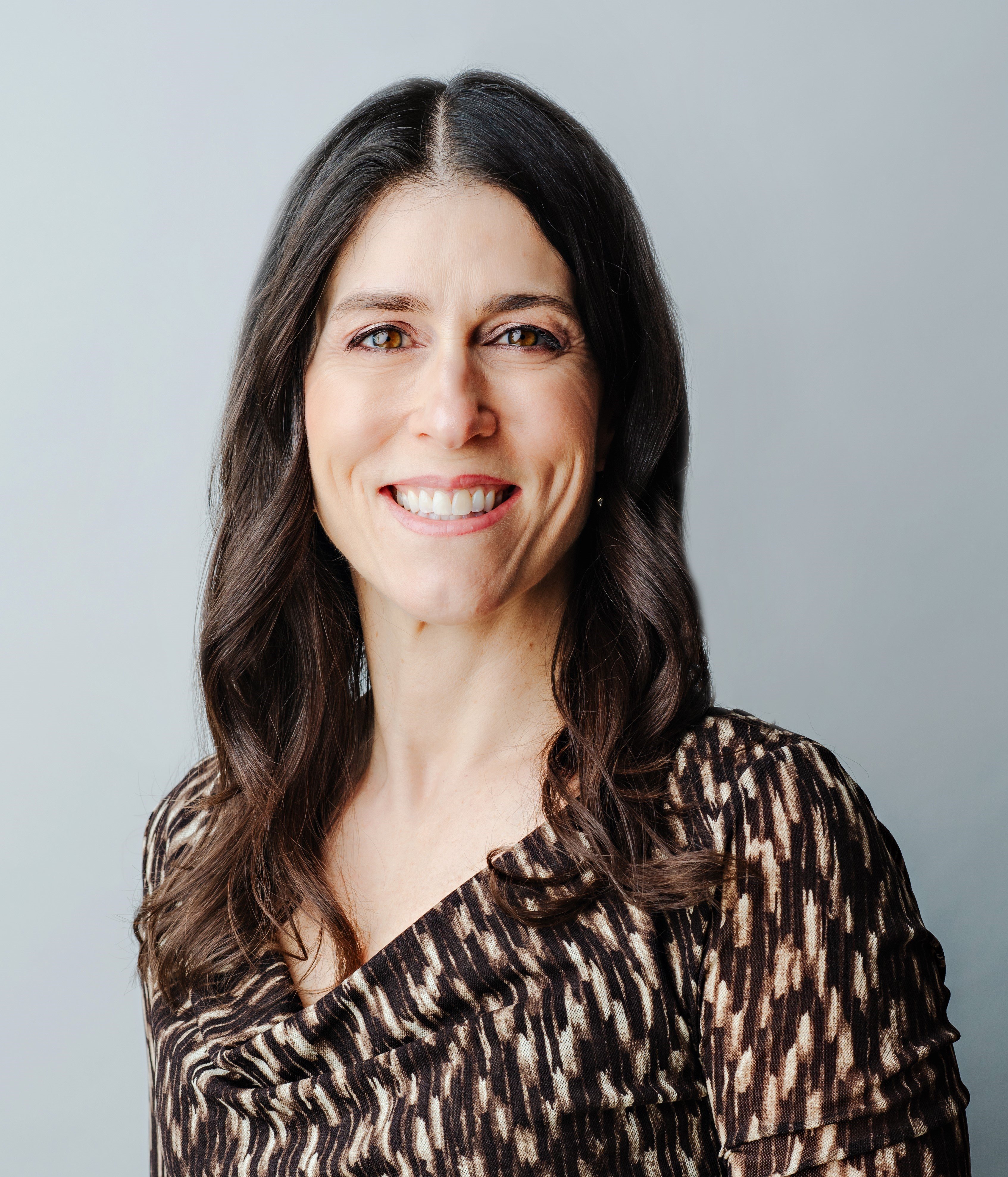
Meet Dr. Lora Giangregorio
What if exercise could help prevent broken bones due to osteoporosis?
I’m Dr. Lora Giangregorio, a professor in the Department of Kinesiology and Health Sciences at the University of Waterloo and the lead of the BonES (Bone Health and Exercise Science) Lab. I’ve always been interested in how the body adapts to physical activity. I got excited about bone health research during my PhD training, when I worked with passionate clinicians, such as Dr. Papaioannou, Dr. Adachi, and Dr. Craven, who did important research to improve health outcomes for their patients. I realized that we needed better research and guidelines on exercise for osteoporosis—and I based my career around an important question: how can we use exercise or physical activity to help people keep their bones and muscles strong and reduce the risk of fractures due to osteoporosis?
🔬 Research in the BonES lab
Osteoporosis is a bone disease that causes bone loss and a reduction in bone strength, increasing the risk of fractures.
Our research aims to:
- understand risk factors for osteoporotic fractures or physical inactivity
- develop and evaluate interventions that can prevent bone loss, falls, and fractures, especially people with osteoporosis—a condition that makes bones weaker and more likely to break.
- Learn effective ways share research with healthcare professionals and the public to improve healthcare outcomes and practices.
In the BonES Lab, we study questions like:
- What types of exercise are most effective for improving bone strength?
- Does muscle strength influence bone strength?
- How do we improve healthcare for people with spine fractures due to osteoporosis?
- What are effective ways to increase participation in strength and balance exercise among older adults?
We use a variety of approaches—from imaging technologies to measure bone strength, clinical trials that test different types of exercise programs, or development of patient and healthcare professional education tools and communication strategies.
One thing we’ve learned is that there isn’t a single “best” exercise. Instead, a combination of strength training, balance exercises, and impact activities works together to support bone health and reduce the risk of falls. [theproof.com]
We also work closely with organizations like Osteoporosis Canada to turn research into real-world tools—like exercise guidelines and resources that healthcare providers can use.
🎓 My Journey & Goals
I did an undergraduate degree in Kinesiology at the University of Waterloo. I completed a PhD in Kinesiology at McMaster University, and a postdoctoral fellowship at the Toronto Rehabilitation Institute (now called KITE-University Health Network). Over the years, my career has focused on bridging the gap between research and real life. It’s not enough to know what works—we also need to make sure that people can use that knowledge in their daily lives.
That’s why our work goes beyond the lab. We:
- Develop exercise and physical activity guidelines
- Develop resources for healthcare professionals and patients
- Share our work through various communication channels
Looking ahead, my goal is to continue improving how we translate research into practice—so that evidence-based exercise becomes part of everyday care for people at risk of fractures. I’m passionate about science communication—sharing clear, evidence-based information about bone health and exercise (including through BonES Lab channels and social media).
🏆 Awards & Achievements
I am honoured to hold a Tier 1 Canada Research Chair in Bone Health and Exercise Science, which supports our work in advancing research to improve bone health and prevent fractures among middle-aged and older adults.
I’ve also had the opportunity to contribute to national and international initiatives, including:
- Development of Canadian 24-Hour Movement Guidelines
- Development of the 2023 Clinical Practice Guidelines for the Management of Osteoporosis and Prevention of Fractures in Canada
- Development of the Fragility Fracture Network Care Model for Vertebral Fragility Fractures
👤 A Personal Note
I love to run, hike, lift weights, cook, bake, and read.
🔗 Want to learn more about how exercise supports bone health?
- Sign up for our newsletter or read our blog:
👉 https://boneslab.ca [boneslab.ca]
✅ Takeaway: We lead research and develop strategies to help people use the research in their daily life. Welcome to the BonES Lab community – we are happy you are here.